


Introduction:-
The B2B Social Media Marketing Trend for 2025 will play a crucial role in how companies interact with one another (B2B). As businesses’ use of social media evolves, success will depend on staying ahead of the latest developments. The B2B social media marketing trend for 2025 will emphasize building stronger relationships, personalizing experiences, and leveraging advanced technologies like machine learning (AI) to target the right audience. To stay relevant and effectively engage potential customers, businesses must be dynamic and creative in their use of social media platforms like LinkedIn, Twitter, and others.
A stronger focus on video content, the application of AI to data analysis and customer behavior prediction, and a move toward more honest, human-centered communication are some of the major themes. Companies will also concentrate on producing useful, informative content that can help in other businesses’ problem-solving.
We’ll look at these major developments in this post and discuss how B2B businesses may use them to improve their social media strategies in 2025.
- Benefits of B2B Social Media trend for 2025
- Increased Brand Awareness:-
Increasing their visibility is essential for companies trying to remain competitive in today’s digital environment. Social networking sites, especially Facebook, Twitter, and LinkedIn, have made it easier for companies to reach big audiences at a reasonable price. But developing a recognizable trustworthy presence is more important for brand awareness than exposure alone.
Why It Matters: Businesses are more inclined to trust and take into consideration brands they have heard of before, therefore reputation plays an important role in the B2B market. When searching for solutions, decision-makers in businesses typically select brands they are familiar with. A well-crafted B2B social media marketing strategy is an excellent approach for increasing that recognition through regular posting, focused advertising, and interesting content.
Example: HubSpot, an expert in inbound marketing, is a perfect example of a business successfully increasing brand recognition. On their LinkedIn and Twitter accounts, HubSpot regularly shares case studies, seminars, tutorials, and customer success stories to draw in new customers and spread the word about its services. Because of their plan of action, they are now the first choice for everyone searching for marketing automation solutions, which has raised brand awareness and trust.
How It Works: Your brand gains visibility when you consistently provide excellent content that connects to your target audience. The secret is consistency. You can maintain your brand in front of new consumers by publishing blogs, infographics, success stories, and videos. Additionally, companies can target very specific audiences using social media advertising (like LinkedIn Ads) to make sure that the most important people receive the message.
The Benefits:
- Better visibility and recognition in the industry
- Building trust and credibility with potential clients
- Increased chances of referrals and recommendations
Better visibility and recognition in the industry in B2B Social media Marketing:-
Social media platforms give companies the opportunity to connect with a wide range of people, improving their industry recognition and visibility. Businesses can make sure they are seen by new customers, partners, and competitors equally by regularly posting meaningful material, such as blog postings, case studies, or industry insights. A strong B2B social media marketing strategy ensures that your brand stays visible to decision-makers, keeping it at the top of their minds. This visibility is essential for positioning your company as an authority in the sector, especially when you post consistently and engage with your audience. This can lead to greater opportunities for partnerships, business collaborations, and industry leadership. Increased visibility, whether from sponsored advertisements or organic content, allows a business to firmly establish itself as a significant participant in the industry, supporting its growth amidst the competition.
Building Trust and Credibility with Potential Clients
Building credibility and trust is one of the most important aspects of successful B2B marketing. Social media plays a significant role in establishing this trust. Companies may show their expertise and credibility by responding to followers’ questions, offering insightful information, and giving helpful criticism. Customers want to be sure that the businesses they do business with are reliable and knowledgeable. By interacting frequently and honestly, as well as by showcasing client testimonials or success stories, companies may present a great image on social media platforms with a solid B2B marketing plan. Over time, these interactions build credibility, which raises the likelihood that potential customers will choose a reliable company over competitors and even suggest it to others.
Increased Chances of Referrals and Recommendations
Suggestions and guidance are essential for business growth, particularly in the business-to-business (B2B) sector, and social media is an effective tool for creating them. A company gains the trust of its present customers and raises the possibility that they will refer the company to others when it continuously provides value and interacts with its audience in an authentic manner. Businesses can reach a large number of new potential consumers by asking clients to share their experiences or submit testimonials, as people are inclined to believe suggestions from colleagues. Additionally, happy customers are more inclined to promote the business on social media, which improves its audience and magnifies its message. In the form of favorable reviews, experiences, or customer recommendations, this social proof is important for increasing the audience and increasing the possibility of additional business growth.
2. Lead Generation and Conversion
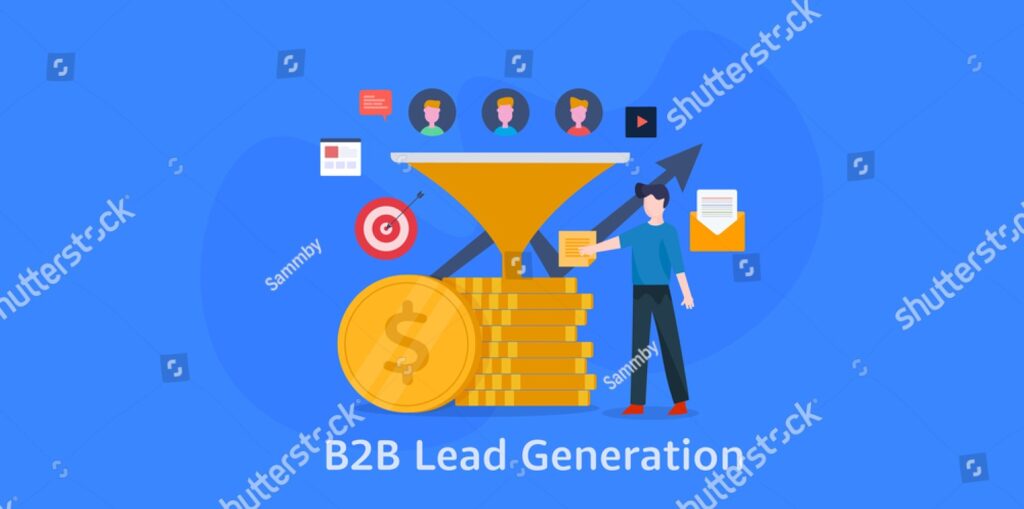
The ability of social media to generate leads is among its most important benefits for business-to-business companies. Businesses may interact with potential leads, reach a highly concentrated audience, and help them through the buying funnel by using platforms like Facebook, Twitter, and LinkedIn.
Why It Matters: B2B sales cycles usually involve many decision-makers and are generally longer than B2C sales cycles. By helping companies to connect with interested consumers early in the decision-making process and develop a relationship with them over time, social media helps speed this process. Additionally, social media platforms offer advanced advertising features that help organizations find decision-makers and connect with them at the appropriate time.
For instance, the online software provider Salesforce collects leads using LinkedIn’s lead generation forms. To draw in and convert new customers, their efforts provide webinars, free trials, and downloaded material (such as documents). Salesforce increases trust and allows more efficient lead progress across the sales funnel by offering value up front. Their specific targeting means that they get in front of the appropriate decision-makers in the appropriate businesses.
How It Works: Businesses can define the job titles, industries, company sizes, and even the locations of the individuals they wish to attract when they develop specific advertising campaigns. Companies may utilize organic methods, like publishing case studies, blog entries, or providing free resources (eBooks or industry reports), in addition to paid advertising, to bring in leads.
The Benefits:
- Higher quality leads
- Better ROI on marketing campaigns due to targeted audience
- Faster lead conversion through direct engagement
Higher quality leads in Business to business social media marketing:-
The ability to bring in higher-quality leads is one of the biggest benefits of social media marketing for B2B companies. Social media enables businesses to target specific audiences based on precise requirements, unlike traditional marketing strategies that cast a wide net in hopes of finding interested buyers. These criteria can include job duties, industry, company size, or particular interests. By narrowing down who sees advertisements or content, businesses increase their chances of attracting leads genuinely interested in their product or service. These leads are more valuable as they are more likely to have the budget and authority to make purchasing decisions.
Moreover, directly interacting with these targeted buyers on platforms like Facebook, Twitter, or LinkedIn helps reduce the need for extensive sales efforts. This direct engagement enhances lead quality, making advertising efforts more effective. As a result, businesses save time and money while attracting stronger, more relevant customers.
Better ROI on Marketing Campaigns Due to Targeted Audience
Social media platforms provide businesses with unparalleled opportunities to precisely target their marketing campaigns. By running ads tailored to highly specific demographics—such as job titles, regions, industries, and even behaviors—companies can focus their efforts on audiences most likely to convert. This precise targeting leads to a significantly higher return on investment (ROI). Instead of spending on broad, untargeted campaigns, businesses can allocate their budget to reach decision-makers genuinely interested in their solutions. For example, a campaign promoting a B2B SaaS product can specifically target roles like CTOs or IT managers within businesses of a particular size or sector.
This level of accuracy allows companies to optimize the effectiveness of their advertisements, attracting more relevant leads with a higher likelihood of taking action while minimizing wasted impressions. As a result, campaigns achieve a lower cost per conversion and greater overall efficiency, ultimately delivering a much higher ROI.
Faster lead conversion through direct engagement
Social media enables businesses to connect with potential clients in real time, speeding up lead conversion compared to traditional marketing. Platforms like Facebook, LinkedIn, and Twitter allow businesses to quickly answer questions, address concerns, and engage directly, reducing delays from slower channels like email or phone. This instant, personalized interaction builds trust and helps leads move faster through the sales funnel. Quick responses can turn potential leads into customers, shortening sales cycles, boosting productivity, and increasing success rates.
3. Cost-Effective Marketing
Especially when distinguished from traditional marketing techniques like TV commercials, print advertising, or event sponsorships, social media marketing may be quite economical. Because of this, it is a popular choice for companies of all sizes, including start-ups and small enterprises with small marketing budgets.
Why It Matters: Making the most of marketing expenditures is necessary for B2B companies to expand, particularly when operating on a smaller budget. Social media offers B2B social media marketing advantages, allowing businesses to reach a wide audience at relatively low initial costs. For instance, paid advertisements can be customized to meet particular spending limits and goals, allowing companies to scale their business as necessary. This aligns with B2B social media trends in 2025, where efficiency in marketing spend is key.
For instance, Canva, a startup, uses social media marketing to attract more customers. They use both paid advertisements and organic content on Facebook, Instagram, LinkedIn, and other sites. They can develop their audience and obtain the best return on investment by adjusting targeting and growing advertisements based on results, showcasing an effective B2B social media marketing strategy for scaling.
How It Works: Producing and sharing organic material on social media is free, but even when you use sponsored advertisements, the expenses are minimal. Companies can begin with small budgets and expand spending based on outcomes, thanks to the affordable pricing models offered by platforms like Facebook, LinkedIn, and Twitter. Additionally, social media networks offer clear analytics, making it simple for companies to track their ROI. This accessibility is a significant part of the B2B social media marketing importance, as it empowers businesses to measure their performance effectively without hefty costs.
The Benefits:
- No need for expensive advertising budgets
- Precise control over spending with flexible pricing models
- Greater potential for achieving higher ROI due to lower initial costs
No need for expensive advertising budgets:
The fact that social media marketing doesn’t require a large starting advertising budget is one of its most attractive qualities for business-to-business (B2B) organizations. Social media platforms provide a more economical and flexible method of marketing than traditional channels like print, radio, or television advertisements, which frequently involve significant expenses and long-term commitments. Businesses of all sizes can use it because the costs can be adjusted to fit any budget, whether you’re running sponsored advertisements or organic posts. Platforms like Facebook, LinkedIn, and Twitter, for example, can be used by small and medium-sized enterprises with limited resources to reach a specific audience without going above budget. As you observe results, you can gradually boost your expenditure after starting small and verifying your advertisements, giving you better control over your investment.
Precise control over spending with flexible pricing models in B2B Social media marketing:-
Social media advertising is a cost-effective way for businesses to get a higher return on investment (ROI). It’s cheaper than traditional marketing, so businesses can test and improve their strategies without spending too much upfront. Companies can run small, targeted campaigns aimed at specific industries or job titles, making it easier to track results and adjust. This helps them find what works best and expand successful campaigns.
Because social media campaigns are affordable, businesses can try different types of content like videos, infographics, or blog posts across various platforms to see what attracts their audience most. This testing and adjusting lead to better engagement, higher-quality leads, and a higher ROI. By starting with smaller investments and learning from their results, businesses can develop a more cost-effective marketing strategy with better results.
Greater Potential for achieving higher ROI due to lower initial costs
Social media advertising is a cost-effective way for businesses to achieve a higher return on investment (ROI). It’s cheaper than traditional marketing, allowing businesses to test and refine strategies without spending much upfront. Targeted campaigns help track results and adjust for better outcomes. Businesses can experiment with different content types to see what engages their audience most, leading to better results. By starting small and learning from results, companies can build a more cost-effective, successful marketing strategy.
4. Building Strong Relationships with Clients
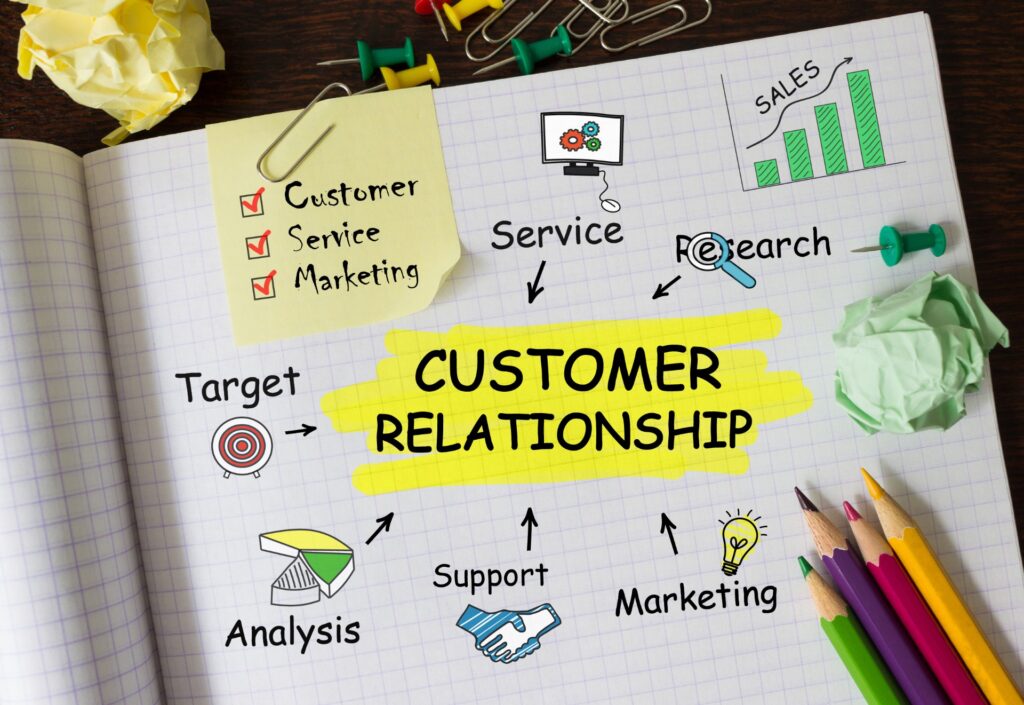
Building relationships is at the heart of business-to-business marketing. Businesses can interact directly with customers, whether they are current clients or prospective leads, using social media platforms. Businesses can build stronger connections with their audience through regular, customized interactions, which may improve customer retention and result in longer-term partnerships.
Why It Matters: Maintaining solid relationships is important for the growth of B2B companies. Social media provides a direct and casual means of interacting with customers. Businesses can develop long-term connections, acquire insightful feedback, and establish trust by interacting with customers.
For instance, Zendesk uses LinkedIn and Twitter to share updates and actively answer consumer questions. On these platforms, their prompt, friendly reactions suggest to clients that they are concerned and ready to help. This increases client loyalty and builds trust.
How It Works:
Businesses can show to their audience that they appreciate their opinions by answering their questions, comments, and feedback on social media. Businesses may participate in discussions, post behind-the-scenes content, and showcase their expertise through social media, all of which help them establish a stronger bond with their audience.
The Benefits:
- Improved customer loyalty and retention
- Increased chances of referrals from satisfied clients
- Enhanced brand reputation through consistent engagement
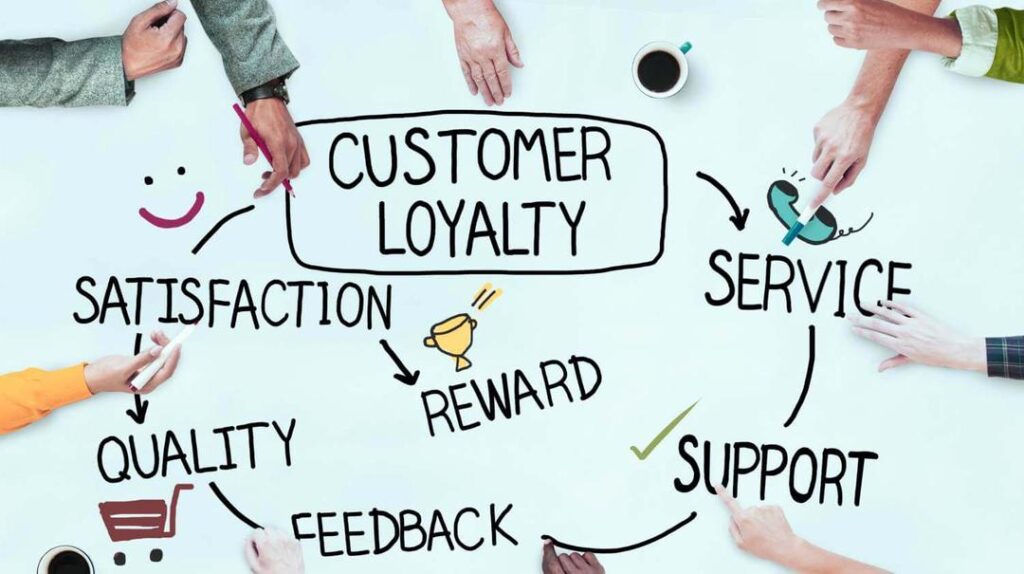
Improved Customer loyalty and retention
Building loyal customers is essential for long-term success, and social media is a powerful way to achieve this. It allows businesses to stay connected with customers even after a sale, ensuring they feel valued and appreciated. By regularly answering questions, addressing concerns, and listening to feedback, businesses can build strong relationships that go beyond a single purchase. This shows customers that their satisfaction matters, gradually building trust and loyalty.
Sharing relevant and engaging content, such as tips, product updates, or industry news, also helps keep customers interested and connected. Regular interactions create a sense of community, making customers feel like part of the brand. Businesses that consistently engage with their audience on social media often enjoy higher retention rates, as loyal customers are more likely to return and continue supporting the brand.
Increased chances of referrals from satisfied clients:
Satisfied customers are one of the best ways to attract new business, and social media helps turn them into powerful ambassadors. By engaging with happy clients online, businesses encourage them to share positive experiences through reviews, posts, or comments. These interactions can reach a wide audience as customers tag your business or share your content with their networks.
This kind of “social proof” builds trust and attracts new customers since recommendations from friends or peers are more reliable than traditional ads. Encouraging satisfied customers to leave reviews or mention your business on social media boosts visibility and reputation, leading to more referrals and a growing customer base.
Enhanced brand reputation through consistent engagement in B2B social media marketing:
In today’s digital age, a company’s reputation depends on its customer interactions as much as its products. Social media allows businesses to showcase their personality, responsiveness, and commitment to customer satisfaction by engaging with their audience through comments, resolving issues, and sharing valuable content. Active and professional use of social media builds trust and portrays the brand as honest and reliable. Addressing complaints publicly in a polite manner also demonstrates dedication to customer care. Regular, genuine interactions enhance the brand’s image, boosting trust and confidence among both current and potential customers.
5) Leadership and Industry Authority
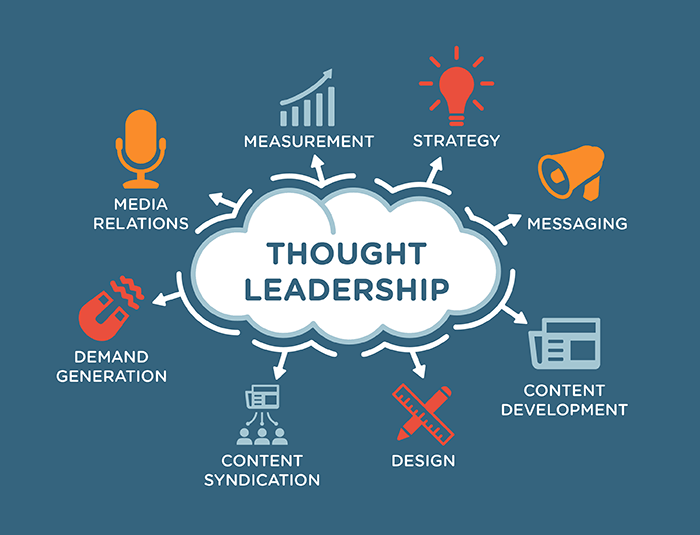
Establishing your business as a thought leader in your sector can significantly boost credibility and trust. Businesses can share their knowledge, participate in industry discussions, and provide answers to common problems in their sector by using social media.
Why It Matters: Establishing yourself as an authority in your field helps set your company apart from rivals. Thought leadership makes it easier to establish connections and expand your company by drawing in prospective customers, partners, and industry influencers.
For instance, social media content has been a major factor in the development of Neil Patel’s reputation as a prominent player in the field of digital marketing. Neil offers insightful commentary on SEO, digital marketing, and content strategy via his blog, YouTube videos, and social media posts, establishing himself as an industry leader and driving traffic to his website.
How It Works: By consistently posting unique material that targets the issues facing their target audience, businesses may establish themselves as thought leaders. Research, case studies, blog entries, and even live streaming or webinars can fall under this category. A company’s reputation as a reliable industry authority can be improved by participating in relevant discussions on social media sites like Facebook, LinkedIn, and Twitter.
The Benefits:
- Increased credibility in your field
- Higher-quality leads attracted by your authority
- Better brand recognition and trustworthiness.
Increased Credibility in B2B Media Marketing trend for 2025:

One of a company’s most potent assets is credibility, particularly in competitive B2B marketplaces. Social media has a special chance to establish your company as a trustworthy specialist in your sector. You may show prospective customers, partners, and even rivals how knowledgeable and experienced you are by posting informative content, taking part in conversations, and exhibiting your skills on social media sites like Facebook, LinkedIn, and Twitter. Your reputation as a subject matter expert can be enhanced by consistently publishing smart and relevant content, such as case studies, research, thought leadership articles, and industry news.
Potential customers are more inclined to view your organization as a trustworthy and reputable solution provider when they witness your company sharing specialist knowledge. In the business-to-business (B2B) sector, where decision-makers often take longer to commit, needing assurance that the company they choose can deliver results. Over time, consistently contributing to your industry’s conversation on social media strengthens your credibility, making your business the go-to resource for those seeking information or solutions in your field.
Higher-Quality Leads Attracted by Your Authority
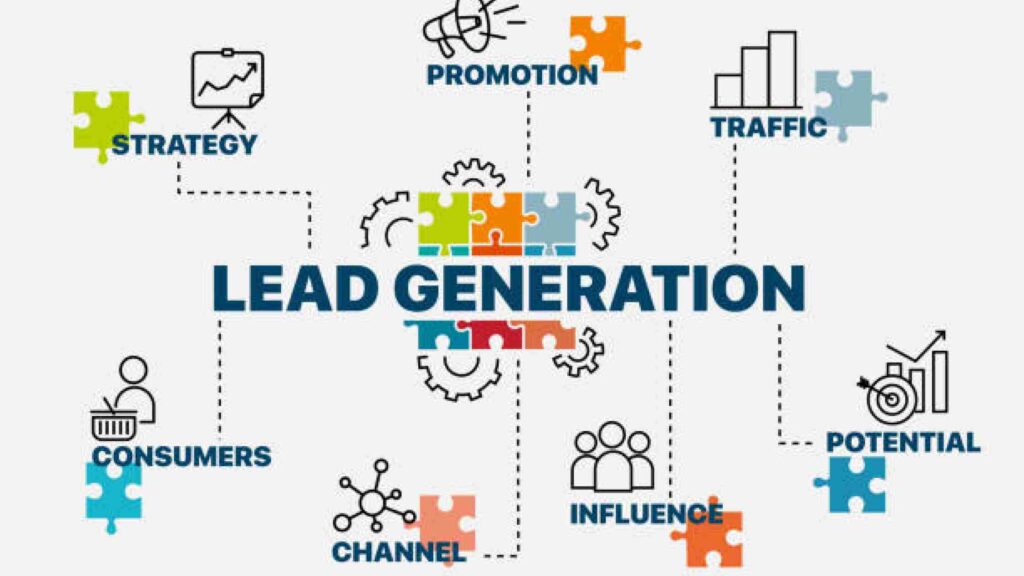
Promoting your company as an authority in your sector naturally attracts higher-quality leads. Consumers, especially in the business-to-business market, tend to gravitate toward companies they view as informed and reliable. Decision-makers are more likely to choose suppliers with a proven track record of success. By sharing informative content that addresses the needs and challenges of your target audience, such as case studies, success stories, industry reports, and webinars, you demonstrate your expertise and create trust. This positions your company as a go-to resource for solutions, encouraging prospects to engage with you.
As a result of your established authority, leads that come to your company are more likely to be well-qualified. These prospects already understand their needs and how your product or service can help them, making them more likely to make a purchase. Consequently, the leads generated through social media are not only more knowledgeable but also have a higher conversion potential, enhancing the overall quality of your lead generation efforts.
Better brand recognition and trustworthiness in B2B Social media marketing
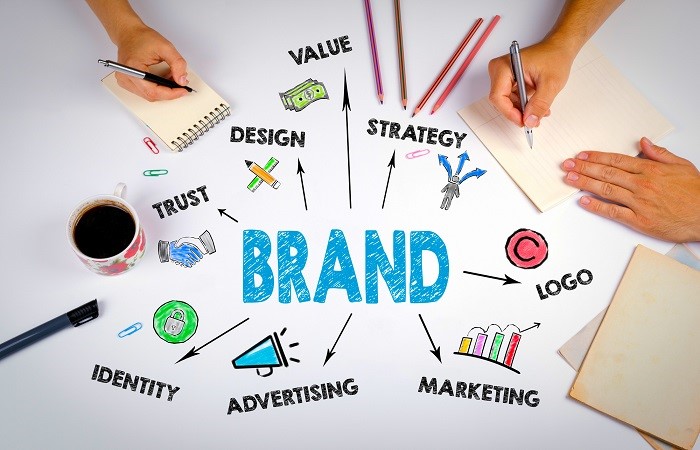
Building loyal customers requires brand recognition and reliability, which can be achieved through effective social media engagement. By sharing valuable content, interacting with your audience, and demonstrating expertise, you create trust. Prompt communication, transparency, and follow-through further enhance your reputation. This reliability fosters repeat business, referrals, and positive word-of-mouth, driving long-term growth and success. As your brand becomes a trusted presence, it attracts more customers, creating a cycle of continuous improvement.
6) Targeted Advertising and Advanced Segmentation:
One of the greatest advantages of B2B social media marketing is the ability to run highly targeted advertising campaigns. Platforms like LinkedIn and Facebook provide advanced targeting tools that allow businesses to reach very specific audiences based on various factors, including job title, company size, industry, and even behavior.
Why It Matters: The ability to target your ads to specific decision-makers at the right stage of the buying journey is invaluable. This ensures that marketing resources are spent efficiently, reaching only the most relevant prospects.
Example:
A company like LinkedIn itself uses targeted advertising to reach businesses looking to improve their HR and recruiting processes. By offering case studies and demos through ads that target HR professionals and decision-makers, LinkedIn has been able to generate high-quality leads.
How It Works: With tools like LinkedIn’s Sponsored Content and Facebook’s lookalike audiences, businesses can create ads tailored to very specific groups. These platforms allow advertisers to narrow down their audience based on detailed criteria, such as job functions, years of experience, or company size.
In conclusion:
These are but one example of the numerous advantages of B2B marketing on social media. Effective use of social media platforms may help companies become more visible, strengthen their customer connections, create leads, and establish themselves as leaders in their field. For B2B organizations who embrace social media’s potential for networking, expansion, and brand promotion, it may be a game-changer.
In the upcoming years, social media marketing will continue to change, and companies that remain ahead of the curve through adopting new strategies and trends will benefit the most. B2B businesses may develop effective social media strategies that support their engagement, expansion, and success by concentrating on five fundamental advantages.
Video content, powered by AI personalization, social commerce, influencer marketing, and employee advocacy will be the main topics of B2B social media in 2025. AI will improve targeting and automate methods, while short-form movies and live feeds will be essential to engagement. Businesses will use employee-generated content and specialized influencers to develop credibility and trust, and social media platforms will include more e-commerce services.
By focusing on LinkedIn for networking and targeted advertisements, utilizing AI-powered specific material, and holding webinars or virtual events, B2B organizations can produce leads. Using staff representation and social confirmation, like customer success stories, will also increase credibility and lead conversion.
LinkedIn will remain the leading platform for B2B marketing, with Twitter, YouTube, and Instagram also being vital for thought leadership and engagement.
Indeed, influencer marketing will continue to be successful for business-to-business (B2B) companies, particularly when using industry-specific, specific influencers who provide credibility, focused reach, and the capacity to build trust among audiences in specialized sectors.
Social media is crucial for B2B businesses as it helps build brand awareness, engage with potential clients, and establish thought leadership. It allows companies to connect directly with decision-makers, generate leads, and stay competitive in a digital-first business environment.
B2B companies can measure success through engagement rates, lead conversion, website traffic, and brand sentiment. Tracking customer lifetime value and referral data will also help determine the long-term impact of social media efforts.